
Coffee & weight gain
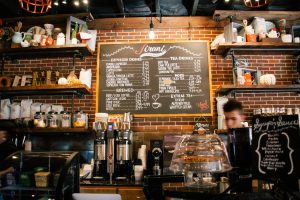 Visits to local coffee shops are a regular rehab activity for many clients after a major trauma. This is an opportunity for clients to practice their skills getting back into the community and a simple way for support workers to get clients “out of the house.” There are also occasions when therapists will ask clients to meet at a community venue (such as a coffee shop), in order to practice certain skills such as communication.
While these are all important and necessary rehab skills that we want to be encouraging, there are a few nutrition-related issues to consider when arranging coffee shop visits. These are often overlooked and can result in a negative impact to a clients’ health, especially if the visits are occurring several times each week.
Issue #1 – Most food and drink at coffee shops are high in calories
Weight gain is a significant problem for many clients after a major trauma, and coffee shop visits can contribute a LOT of unwanted extra calories. This is because most coffee shops will automatically make drinks with full-fat milk (and sometimes add whipped cream and syrups as well), unless directed otherwise.
Here are a few examples from the larger coffee chains:
Calories per “large or grande” 455-473 mL standard drink order
(made with full-fat milk)
| Caffe Latte | 200 – 275 calories |
| Cappuccino | 170 – 230 calories |
| Chai Latte (hot or iced) | 215 – 360 calories |
| Chocolate Frappe/Frappuccino with whipped cream and syrup | 370 – 395 calories |
| Flat White | 150 – 290 calories |
| Hot Chocolate (classic) | 355 – 490 calories |
| Iced Hot Chocolate | 345 – 405 calories |
| Iced Mocha | 330 – 360 calories |
| Mocha | 320 – 330 calories |
| Vanilla Iced Latte | 210 – 375 calories |
Common food and snack options
| Ham & cheese sandwich or toastie | 355 – 380 calories |
| Tuna melt panini | 445 – 460 calories |
| Carrot cake | 500 – 505 calories |
| Chocolate twist | 275 – 310 calories |
Of course, all food and drink can fit into a healthy lifestyle, but clients after a major trauma usually have very low calorie “budgets” with which to work within (~1200-1500 calories per day). A fancy coffee and cake at a coffee shop can easily add up to 50% of someone’s daily calorie budget. Add a sandwich or panini as well, and they will be close to 100% of their daily limit. This means the person would need to be very strategic about their eating for the rest of the day in order to make sure they stay within their daily calorie budget. They also need to make sure they are getting enough protein, vitamins and minerals to fuel and repair their body. All of this becomes more difficult if coffee shop visits are a regular part of someone’s routine.
Solutions:
- Black coffee, black or herbal teas or “skinny” milk-based drinks (using skimmed cow’s milk or almond milk) are generally the lowest in calories and not usually a concern. Drinks made with semi-skimmed milk, oat milk, coconut milk or soy milk offer a smaller calorie saving.
- To assist clients with decision making, most large chains will have the nutrition information available online for all of their products. Clients can use this information to look up their favourite food and drink options to see if they need to make any changes to future orders.
Issue #2 – Most coffee shops are designed to facilitate impulsive food purchases
Coffee shops generally have a beautiful selection of delicious looking cakes, cookies and other treats available for people to enjoy alongside their hot drink! Clients dealing with impulsive behaviours often struggle a lot in these environments and may demand additional treats, even if they have agreed in advance not to have them.
Sometimes the barista will also ask clients if they want extra whipped cream, syrup or marshmallows added to their drink order. This is often difficult for clients to resist and just increases the calorie content (and cost) of their purchase.
As much as dietitians promote clients being as independent as possible, sometimes it’s in the best interest of certain clients, to not put them in challenging food-related situations which will make it very difficult for them to resist impulsive urges. It doesn’t mean they can’t go to a coffee shop, but we may need to modify the environment slightly in order for them to be successful.
Solutions:
- Clients can agree (and practice in advance), that they are going to order the “skinny” option when they arrive (and be prompted to do this by the support worker if they forget).
- If the above is too difficult, then the client may have to be in charge of finding appropriate seating versus placing the order. Alternatively, support teams may need to utilise the drive-thru option and then take the client to a park bench or elsewhere to enjoy their drink.
Coffee shop alternatives
It’s important that the multi-disciplinary team consider both the health implications, as well as the rehab implications, of every activity they are doing. Rehab teams are therefore encouraged to promote non-food-related activities to practice skills and get clients out into the community as much as possible. For example, consider:
- Leisure centres or fitness classes
- Parks, gardens or beaches
- Nature trails, Wildlife Trust reserves or sensory gardens
- Libraries
- Art galleries or museums
- Craft or music classes
- Animal sanctuaries, farm parks or aquariums
- Historic sites
- Book stores or clothing stores
For more information, or to refer a client with a brain injury, spinal cord injury or complex orthopaedic trauma for a comprehensive dietetic assessment and report, contact Specialist Nutrition Rehab at info@specialistnutritionrehab.co.uk or 0121 384 7087.